


Sustainability in aviation fashion – Innovations 2026
Studies show that nearly 90 percent of European consumers demand greater transparency and sustainability in the fashion industry. For aviation enthusiasts and pilots, responsible fashion now combines environmental awareness with technological innovation. Sustainable aviation fashion therefore means not only stylish designs but also an active contribution to climate and resource protection. Here you can learn how advanced materials, EU directives, and new production models are shaping the future of aviation fashion and what you should consider when making your next purchase.
Table of contents
- What does sustainability mean in aviation fashion?
- Material trends: Environmentally friendly fabrics and innovations
- Print-on-demand and circular economy in focus
- EU legislation and digital product passports
- Challenges and opportunities for brands, pilots and community
Key findings
| Point | Details |
|---|---|
| Sustainability in aviation fashion | It encompasses environmental protection, resource efficiency and social responsibility throughout the entire value chain. |
| Technological innovations | State-of-the-art materials and production methods reduce the ecological footprint. |
| Circular economy | Products are manufactured according to demand in order to avoid overproduction and waste of resources. |
| EU Digital Product Passports | Mandatory from 2027, they increase transparency in the fashion industry. |
What does sustainability mean in aviation fashion?
Sustainability in aviation fashion means far more than just environmentally friendly clothing. It's about a holistic approach that combines environmental protection, resource efficiency, and social responsibility throughout the entire value chain of fashion production. Aviation fashion faces the particular challenge of reconciling technical functionality with ecological responsibility.
The core aspects of sustainability encompass several important dimensions:
- Use of environmentally friendly and recycled materials
- Reduction of CO2 emissions during production
- Minimizing waste volumes
- Fair working conditions in the production chain
The European Union is pursuing ambitious goals: it aims for climate neutrality in aviation by 2050 , which has a direct impact on aviation fashion. Technological innovations and sustainable production methods play a key role in realizing this vision.
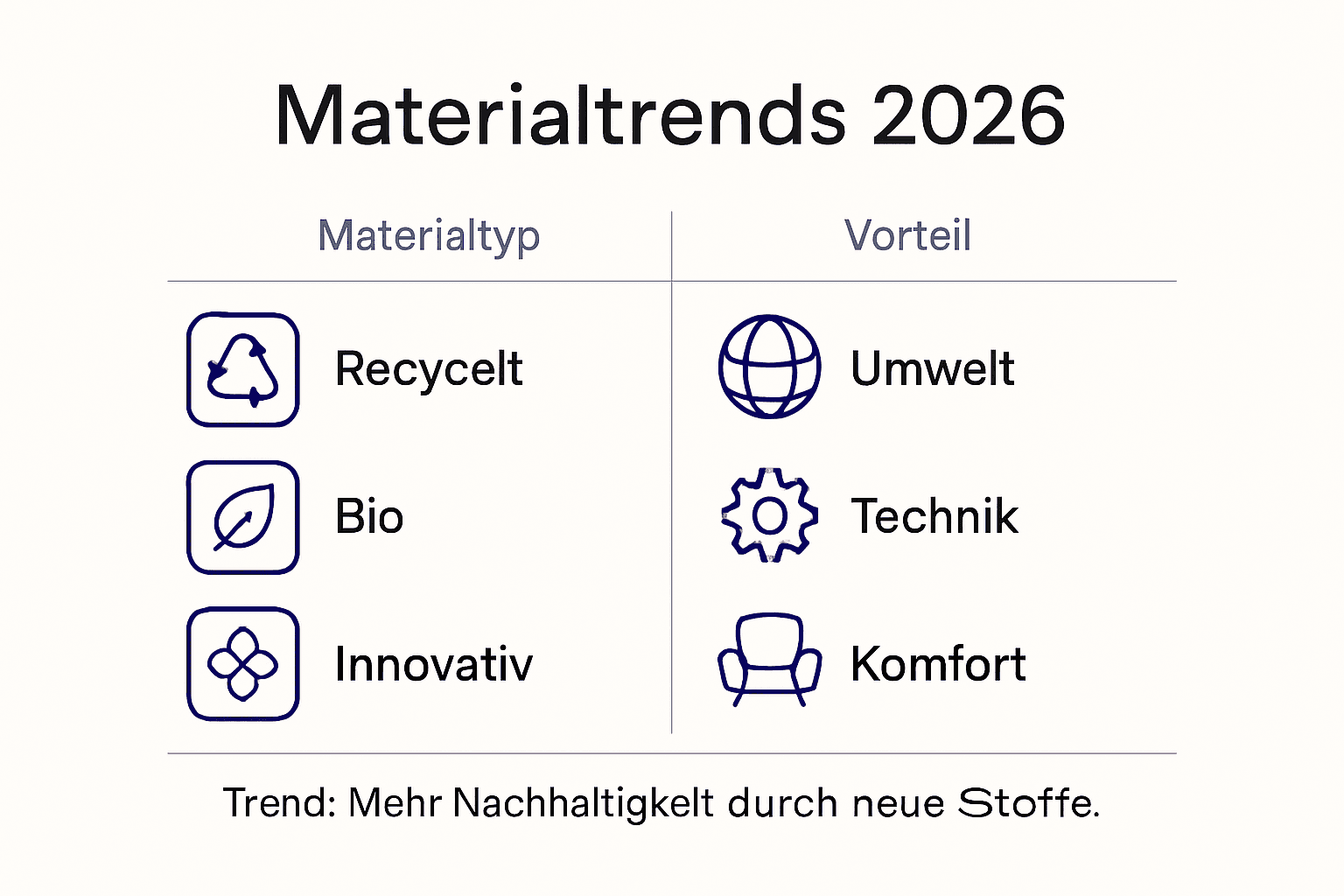
Modern aviation fashion is therefore increasingly integrating innovative materials such as recycled polyester, biodegradable fibers, and environmentally friendly textiles. In addition, production processes are being optimized to minimize the ecological footprint.
Pro tip: When buying aviation fashion, pay attention to transparency regarding the origin of materials and production conditions.
Material trends: Environmentally friendly fabrics and innovations
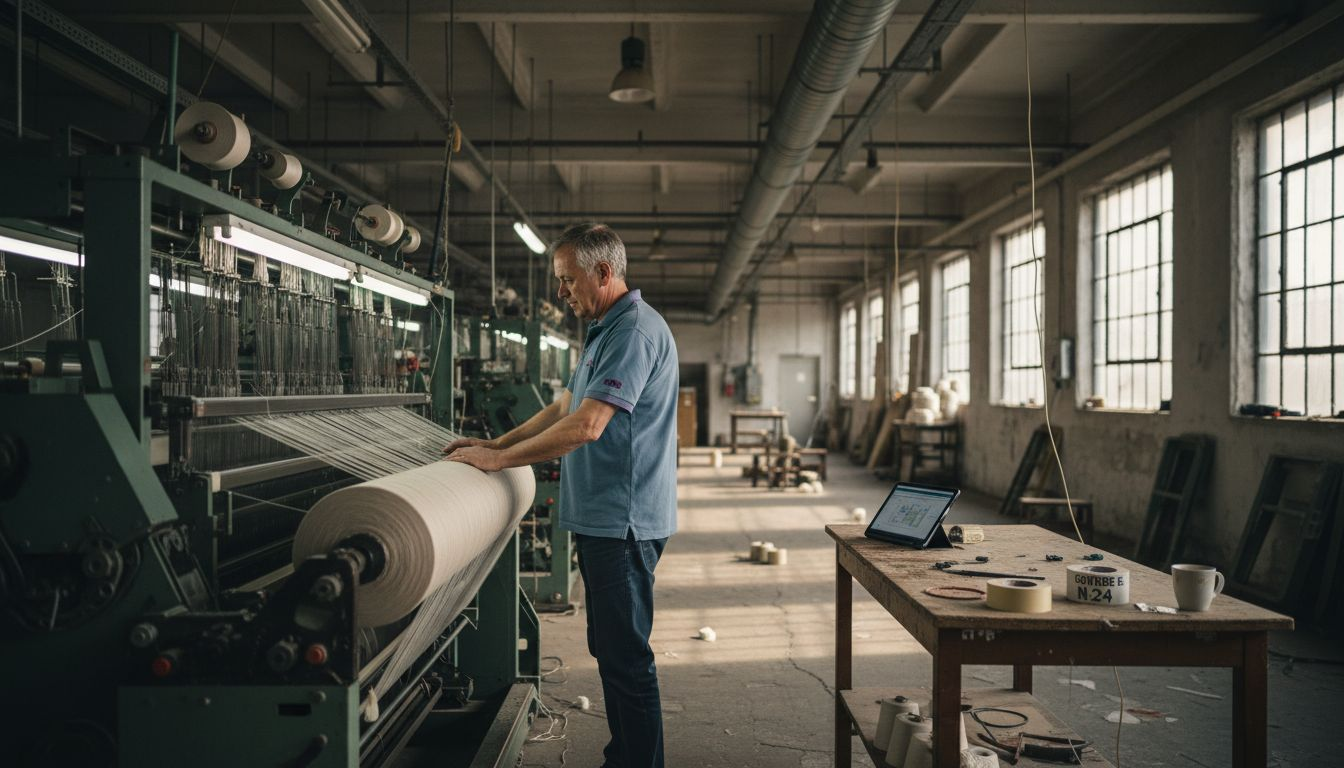
Aviation fashion is undergoing a revolutionary transformation in terms of material innovation. Sustainable fabrics are increasingly becoming the standard, not only for environmental reasons but also because of their outstanding technical properties. Eco-friendly materials such as organic cotton, linen, and recycled polyester are rapidly gaining importance and redefining the future of aviation fashion.
The most important innovative materials for sustainable aviation fashion include:
- TENCEL™ (Lyocell) : A biodegradable material made from wood cellulose
- Recycled polyester (rPET) : Obtained from plastic bottles
- ECONYL® : Regenerated nylon from marine waste
- Organic cotton : Grown without harmful pesticides
- Hemp : Extremely sustainable with low water consumption
These materials are not only environmentally friendly, but also offer excellent technical properties such as breathability, durability and lightness - crucial factors in aviation fashion.
The following table provides a concise overview of the advantages of innovative materials in sustainable aviation fashion:
| Material type | Main advantage | Technical characteristic |
|---|---|---|
| TENCEL™ (Lyocell) | Biodegradable | Highly breathable |
| Recycled polyester | Resource-saving | High durability |
| ECONYL® | Waste prevention | Lightweight and robust |
| organic cotton | Environmentally friendly cultivation | Good skin compatibility |
| hemp | Minimal water requirement | Very durable |
Innovative production technologies complement these sustainable materials. Modern processes reduce water consumption, minimize the use of chemicals, and optimize energy efficiency. Companies are investing specifically in research and development to create increasingly efficient and environmentally friendly textile solutions.
Pro tip: When buying aviation fashion, look for certifications such as GOTS or Bluesign, which guarantee sustainable production processes.
Print-on-demand and circular economy in focus
Print-on-demand is revolutionizing aviation fashion through a sustainable production approach that radically reduces overproduction and resource waste. This circular economy goes far beyond conventional recycling, aiming to close material loops by manufacturing products only after actual demand.
The core principles of the circular economy in aviation fashion include:
- Durable design of clothing items
- Repairability of textiles
- Reuse and upcycling of materials
- Minimizing production waste
- Reduction of resource consumption
The goal of this strategy is to rethink the entire life cycle of aviation fashion. Traditional fast-fashion models are increasingly being replaced by innovative concepts that prioritize sustainability. Companies are developing new business models that are not only ecologically sound but also economically attractive.
Here you will find a comparison of traditional fast fashion and sustainable circular economy models in aviation fashion:
| aspect | Fast fashion models | Sustainable circular economy models |
|---|---|---|
| Production quantity | Mass production | Demand-driven manufacturing |
| Product life cycle | Short-lived | Durable and repairable |
| Waste volume | Very high | Significantly reduced |
| Business model | Fast & affordable | Environmentally conscious & customer-oriented |
Technological innovations play a crucial role in this. Digital production technologies enable precise, demand-driven manufacturing that minimizes resource waste. The textile industry is investing heavily in research and development to implement closed-loop material cycles and reduce environmental impact.
Pro tip: Before buying aviation fashion, find out about the manufacturer's sustainability strategy and support brands with transparent circular economy concepts.
EU legislation and digital product passports
The European Union is taking a decisive step towards sustainability with a groundbreaking initiative: From 2027, the digital product passport for textiles will be introduced as mandatory , which should enable complete transparency in the fashion industry.
The digital product passport offers the following key functions:
- Complete traceability of product materials
- Detailed information on the origin of the raw materials
- Transparency regarding environmental and social standards
- QR code-based product information
- Assessment of recyclability
The EU Ecodesign Regulation (ESPR) aims to promote a circular economy and sustainability in textile production. Companies must fundamentally adapt their supply chains and digital infrastructures to meet the new transparency requirements.
For consumers, the digital product passport represents a revolution in purchasing decisions. By simply scanning QR codes, they can access detailed information about the manufacturing, material composition, and environmental impact of their clothing. This promotes conscious consumer choices and increases the pressure on companies to produce sustainably.
Pro tip: Install a QR code scanner on your smartphone today to benefit immediately from the new product information starting in 2027.
Challenges and opportunities for brands, pilots and community
The aviation fashion industry is facing a complex transformation where sustainability is becoming not just an option, but a necessity. The sustainable transformation of aviation requires investments in research, infrastructure, and technological innovations , challenging all stakeholders while simultaneously creating new opportunities.
The key challenges include:
- Strict regulatory requirements
- Technological disruptions
- Rising customer expectations regarding sustainability
- High investment costs
- Complex restructuring of production chains
For brands, this means a strategic realignment. They must understand sustainability not as a cost factor, but as an opportunity for differentiation. Pilots and aviation communities play a key role in this as multipliers and pioneers of a green aviation culture.
Digital transformation supports this development. Modern technologies enable greater transparency, more efficient production processes, and better communication of sustainability performance. Brands that proactively shape this development can secure a decisive competitive advantage.
Pro tip: Develop a clear sustainability strategy that goes beyond greenwashing and documents real changes in your aviation fashion production.
Experience sustainable aviation fashion now and set trends for 2026.
The challenges of sustainable aviation fashion, such as demand-driven production and transparent material sourcing, require real solutions. At Supersonic Aero 4U , we combine authentic aviation fashion with innovations like print-on-demand and sustainable materials. In this way, we not only meet the expectations of environmentally conscious pilots and aviation communities, but also actively shape the future of aviation fashion.

Benefit now from modern, eco-friendly designs “Designed in Germany” and become part of a sustainable lifestyle community. Discover contemporary fashion at Supersonic Aero 4U, focusing on the circular economy and digitalization. Complete your outfit with exclusive accessories and actively contribute to climate-friendly aviation. Start your visit now and make a strong statement for sustainability in 2026.
Frequently Asked Questions
What does sustainability mean in aviation fashion?
Sustainability in aviation fashion includes environmentally friendly materials, resource conservation and social responsibility in the production chain to minimize environmental impact.
What environmentally friendly materials are used in aviation fashion?
The most common materials include TENCEL™, recycled polyester, ECONYL®, organic cotton and hemp, which are not only environmentally friendly but also possess excellent technical properties.
How does the circular economy contribute to sustainability in aviation fashion?
The circular economy reduces waste, promotes durable designs, and enables the reuse and upcycling of materials, thus reducing the environmental impact of fashion production.
What role does the digital product passport play for consumers?
The digital product passport provides transparency regarding the origin, material and environmental standards of fashion products, enabling consumers to make informed purchasing decisions.



Leave a comment
This site is protected by hCaptcha and the hCaptcha Privacy Policy and Terms of Service apply.